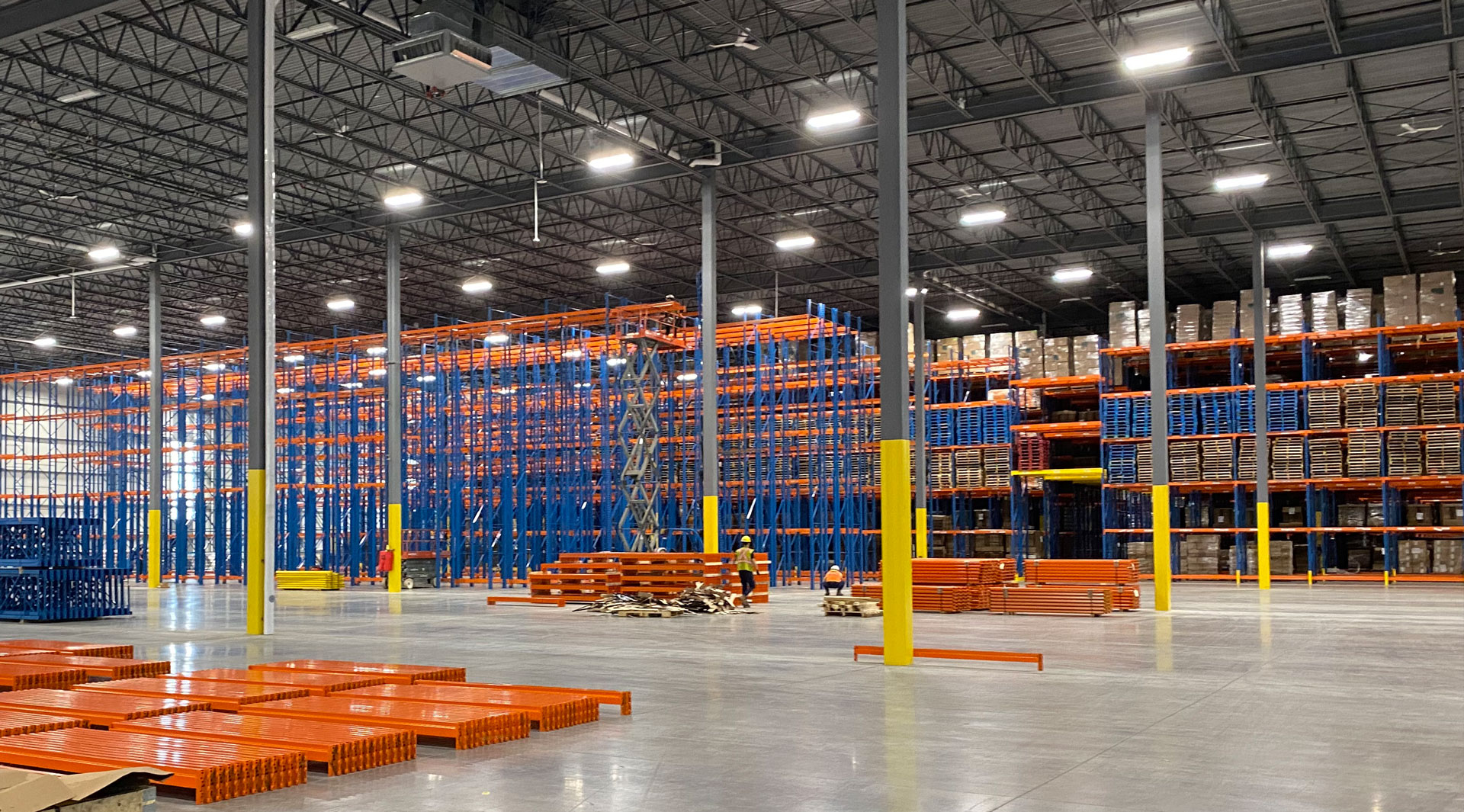
A well-organized warehouse racking system is pivotal to maximizing space, enhancing efficiency, and ensuring safety. As businesses grow and inventory expands, the need to optimize storage solutions becomes even more critical. By implementing strategic racking systems, a warehouse can not only improve its operational flow but also reduce costs and enhance productivity. Herein, expert insights are shared on how to best organize warehouse racking systems for optimal performance and efficiency.
Assess Your Warehouse Needs
Before setting up or reorganizing your warehouse racking system, it is essential to conduct a thorough assessment of your specific requirements. Consider the following:
- Current and projected inventory levels.
- Types of products stored, including size, weight, and handling requirements.
- Available warehouse space and dimensions.
- Operational workflow and access needs.
By understanding these factors, businesses can tailor solutions to fit their unique needs. Learn about our tailored solutions.
Choose the Right Racking System
Selecting the appropriate racking system is crucial. There are several types available, each with its own benefits:
Selective Pallet Racking
This is the most common system, providing easy access to each pallet. It is ideal for facilities that need high accessibility and have varied inventory. Explore advanced guides and tips.
Drive-In/Drive-Thru Racking
Perfect for high-density storage of similar items, this system allows forklifts to drive directly into the rack?s storage lanes. It’s suitable for last-in, first-out (LIFO) inventory systems.
Push Back Racking
This system offers high storage density and allows for last-in, first-out inventory management. Ideal for warehouses with a mix of high-density storage and selectivity needs.
Each racking system must be chosen based on specific inventory and workflow requirements. Discover expert strategies here.
Maximize Space Utilization
Efficient space utilization is key to an organized warehouse. Consider implementing these techniques:
- Vertical storage solutions to make use of height.
- Optimizing aisle width based on forklift type and traffic.
- Utilizing mezzanine floors for additional space.
By maximizing the use of space, warehouses can store more products without needing additional physical space. Find out more about this approach.
Ensure Safety and Compliance
Safety should never be compromised in a warehouse setting. Implementing safety measures is essential for protecting both personnel and inventory:
- Regularly inspect racking systems for damage and wear.
- Ensure all racking is properly anchored and stable.
- Clearly mark load limits and train staff on safe loading practices.
Compliance with safety standards not only prevents accidents but also ensures smooth operations and protects investments.
Conduct Regular Reviews and Maintenance
Continuous assessment and maintenance are vital in managing an efficient warehouse racking system. Regular reviews help identify areas for improvement and ensure systems remain optimized for changing needs.
By following these structured tips and exploring expert resources, businesses can effectively organize their warehouse racking systems, leading to enhanced efficiency and productivity. Explore advanced guides and tips.