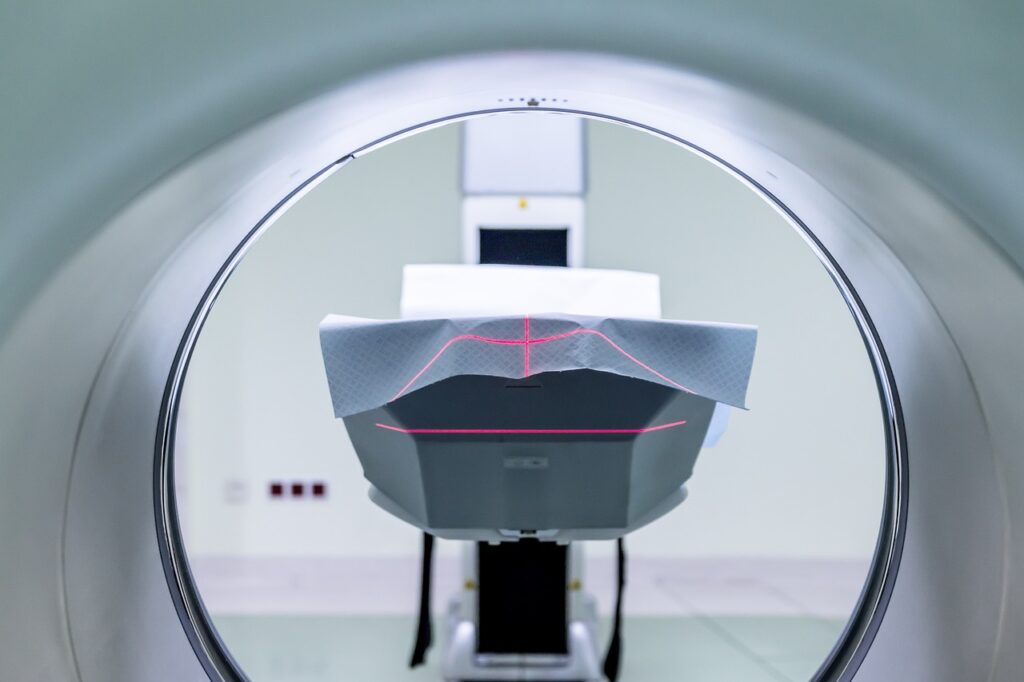
Modern medicine is filled with paradoxes. We’ve never had more access to technology, data, or testing—but somehow, patients feel more uncertain, more anxious, and more confused than ever. At the heart of this paradox lies a practice that many assume is protective but may, in fact, be corrosive: diagnostic overtesting.
Whether in an annual checkup or a rushed ER visit, tests are ordered in droves. A clean bill of health isn’t just spoken—it’s printed, scanned, and signed off on by labs, imaging, and multiple consults. But behind this mountain of data, something quieter is being lost: trust.
Few clinicians understand this loss as clearly as Dr. Andrew Rudin, MD, a Tennessee-based cardiologist and medical ethicist. In his decades of work across hospital systems and rural practices, Rudin has watched as healthcare has gradually shifted from a relationship-centered model to a data-driven transaction. And while diagnostics are critical, he argues that we’ve crossed a line.
“When we rely on tests to do all the talking,” Dr. Rudin says, “we stop listening to patients—and they stop trusting us.”
The Illusion of Certainty
It’s easy to understand why tests feel like the bedrock of good medicine. They offer numbers, images, and reports. They look objective. They look decisive.
But medicine is not engineering. Human biology is nuanced, and symptoms don’t always fit into algorithms. Many tests come with false positives, borderline results, or incidental findings that require explanation—not reaction.
And that’s the problem: in a system obsessed with action, the time and trust needed to interpret a test thoughtfully often isn’t there. So instead, we over-test and over-respond, hoping to reassure—but often doing the opposite.
The Trust Breakdown
Diagnostic overuse undermines the doctor-patient relationship in subtle ways:
- It shifts focus from the story to the screen. When care centers on tests, patients may feel like their voice—and their lived experience—no longer matter.
- It creates dependency on data. Patients begin to doubt their own bodies, waiting for bloodwork to confirm what they already feel.
- It erodes credibility. If a test leads to a false alarm—or worse, an unnecessary procedure—patients may lose faith in the clinician who ordered it.
- It teaches fear. When every ache is scanned, every cold is swabbed, and every symptom is suspect, we raise a population that views health through the lens of danger instead of resilience.
The Role of Medical Culture
This shift didn’t happen in a vacuum. As Dr. Rudin explains, several cultural forces converged to normalize overtesting:
- Malpractice anxiety: Physicians fear missing a diagnosis more than ordering an unnecessary test.
- Electronic health records (EHRs): Many systems now default to large panels or templates, encouraging clinicians to “click through” rather than think through.
- Time pressure: It’s faster to order a test than to explain why one isn’t needed.
- Patient expectations: Decades of wellness marketing have taught people that “more screening = better health.”
“Somewhere along the way,” says Dr. Rudin, “we stopped telling patients, ‘You’re okay,’ and started saying, ‘Let’s just test to be sure.’ That one sentence changes everything.”
Rebuilding the Relationship
So how do we reverse course? How do we bring trust—not testing—back to the center of care?
Dr. Rudin offers a few key principles:
1. Make Time for the Story
The most powerful diagnostic tool is still the patient’s narrative. What they feel, fear, notice, and hope for should guide testing—not replace it.
2. Educate, Don’t Placate
When a test is unnecessary, clinicians should say so—clearly and compassionately. Patients respect transparency far more than reflexive testing.
3. Redefine “Good Care”
Too often, success is measured by how many labs are drawn or referrals placed. Instead, systems should reward clear thinking, patient satisfaction, and shared decision-making.
4. Embrace Uncertainty
Every test has a margin of error. Every decision involves some unknowns. The most honest answer a doctor can sometimes give is: “We don’t need to know that yet.”
A Shared Responsibility
Patients also play a role in this transformation. As healthcare consumers, we must be willing to ask:
- “What is this test for?”
- “What will we do with the result?”
- “What are the risks of doing—or not doing—this?”
We must learn to value dialogue over diagnostics, and trust clinicians who use discernment—not just devices.
Final Thoughts
Technology will only get better. Testing will only become cheaper, faster, more automated. But if we don’t rebuild trust at the core of healthcare, we risk becoming experts in data—and strangers to care.
As Dr. Andrew Rudin, MD, reminds us, the greatest test of medicine is not what we can find, but how we choose to act on what we know. In that sense, restraint may be the most advanced clinical skill we have.