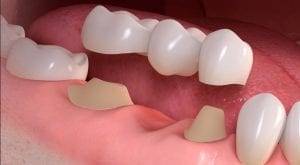
Dental implants have long been a cornerstone of modern dentistry, offering a reliable solution for individuals seeking to replace missing teeth. As dental technology continues to advance, the field of dental implants is experiencing numerous innovations and breakthroughs that promise to enhance patient outcomes, improve procedural efficiency, and reduce recovery times. This article explores the exciting future of dental implants, highlighting the latest advancements and what they mean for patients and dental professionals alike.
Advancements in Dental Implant Materials
The materials used in dental implants have undergone significant evolution, with new substances being developed to improve biocompatibility, strength, and longevity. Traditionally, dental implants have been made from titanium due to its strength and ability to integrate with bone. However, recent innovations have introduced alternative materials that offer unique advantages:
- Zirconia Implants: Zirconia is a ceramic material that is gaining popularity for its aesthetic appeal and reduced risk of metal allergies. It provides a tooth-colored alternative to titanium, making it especially desirable for implants in visible areas.
- High-Strength Polymers: These materials offer flexibility and resilience, which can be beneficial for patients with specific anatomical challenges. They also allow for more customized solutions.
- Biomimetic Coatings: New coatings mimic natural bone, promoting faster osseointegration and reducing healing times.
Technological Breakthroughs in Implant Procedures
3D Printing and Digital Dentistry
The integration of dental implant technologies like 3D printing is revolutionizing the way dental implants are designed and manufactured. This technology allows for the creation of highly customized implants that perfectly fit the patient’s anatomy, improving comfort and functionality.
- Customized Solutions: 3D printing enables the production of patient-specific implants, reducing the risk of complications and enhancing the longevity of the implant.
- Streamlined Workflow: Digital dentistry tools facilitate a more efficient workflow, reducing the time between diagnosis and treatment.
Computer-Guided Implant Surgery
Computer-guided surgery is another technological advancement that is enhancing the accuracy and predictability of dental implant procedures. This innovation involves the use of 3D imaging and computer software to plan and execute implant placement with precision:
- Improved Accuracy: Computer-guided surgery minimizes human error, ensuring optimal placement of the implant.
- Reduced Chair Time: Patients can benefit from shorter procedures, which are less invasive and require less recovery time.
Regenerative Medicine in Dental Implants
Regenerative medicine is an exciting area of research with significant implications for dental implants. This field focuses on harnessing the body’s natural healing processes to enhance implant integration and success rates.
- Growth Factors: The use of proteins that stimulate cell growth can enhance bone regeneration around the implant, leading to quicker and more secure integration.
- Stem Cell Research: Stem cells are being studied for their potential to regenerate oral tissues, offering promising results for patients with insufficient bone density.
- Tissue Engineering: This approach involves creating biological substitutes that can restore, maintain, or improve tissue function, potentially revolutionizing the future of dental implants.
The Future Outlook
As these innovations continue to develop, the future of dental implants looks promising, with the potential for even more advanced solutions to emerge. The integration of cutting-edge technologies and materials is expected to make dental implants more accessible, efficient, and successful for a broader range of patients.
With ongoing research and development, dental professionals are poised to offer improved care that aligns with the evolving needs and expectations of patients. As these advancements become more widely available, they will not only enhance the quality of life for those requiring dental implants but also reinforce the importance of staying informed about the latest trends in dental implant technologies.