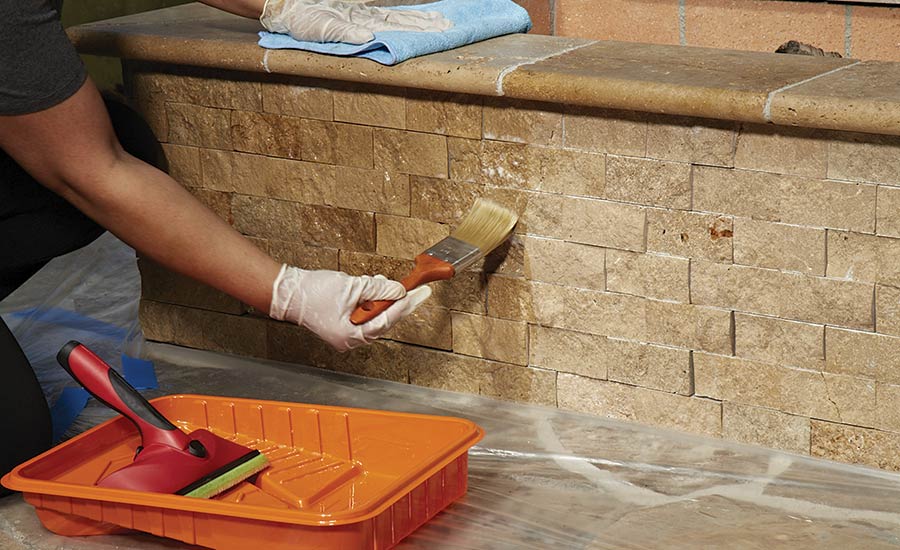
Natural stone surfaces add an element of elegance and timeless beauty to any space. Whether adorning floors, countertops, or walls, these surfaces require protection to maintain their integrity and appearance. A natural stone sealer offers an effective solution for preserving these surfaces against daily wear and tear, stains, and environmental damage. Choosing the best natural stone sealer involves understanding the types of sealers available, their applications, and how they fulfill the specific needs of different stone types.
Understanding Natural Stone Sealers
Natural stone sealers are protective coatings applied to stone surfaces to prevent damage from moisture, stains, and other contaminants. These sealers act as a barrier, enhancing the stone’s durability while preserving its natural look. There are different types of sealers, each serving a particular function based on the stone type and desired finish.
Types of Natural Stone Sealers
- Penetrating Sealers: These sealers absorb into the stone, providing protection from within without altering the stone’s natural appearance. They are ideal for porous stones like sandstone and limestone.
- Topical Sealers: Applied to the surface of the stone, these sealers form a protective layer that can enhance the stone’s color and sheen. They are suitable for less porous stones and areas requiring additional surface protection.
- Enhancing Sealers: Specifically designed to deepen the stone’s natural color and increase its vibrancy, enhancing sealers are perfect for accentuating the beauty of slate and travertine.
Factors to Consider When Choosing a Stone Sealer
Selecting the right stone sealer involves considering several factors that influence the sealer’s performance and the stone’s longevity. Here are key considerations to guide the decision-making process:
- Stone Type: Different stones react differently to sealers. For instance, granite is less porous compared to marble, which affects the type of sealer required.
- Location and Use: Consider whether the stone is indoors or outdoors, and the level of foot traffic or exposure to water and stains. Kitchens and bathrooms might require a different sealer compared to living areas.
- Desired Finish: Determine whether you want to maintain the stone’s natural matte look or enhance its shine.
- Longevity and Maintenance: Some sealers offer longer-lasting protection and require less frequent reapplication, making them more suitable for high-maintenance areas.
The Advantages of Using Natural Stone Sealers
Investing in a quality natural stone sealer yields numerous benefits that extend the life and appearance of stone surfaces. Here are some advantages:
- Stain Resistance: Sealers protect against stains from spills and dirt, making cleaning easier and maintaining the stone’s appearance.
- Moisture Protection: By preventing water penetration, sealers help avoid issues like mold and mildew, especially in humid environments.
- Enhanced Durability: Sealers strengthen the stone, reducing the likelihood of chips, cracks, and other damage.
- Preservation of Natural Beauty: A quality sealer maintains the stone’s natural color and texture, ensuring its aesthetic appeal over time.
Application Tips for Optimal Results
Proper application is crucial for ensuring the effectiveness of natural stone sealers. Follow these tips for optimal results:
- Surface Preparation: Clean the stone thoroughly, removing any dust, dirt, and stains before applying the sealer.
- Application Conditions: Apply the sealer in a well-ventilated area, avoiding direct sunlight and extreme temperatures.
- Follow Instructions: Adhere to the manufacturer’s instructions regarding application techniques, drying times, and reapplication schedules.
- Regular Maintenance: Even with a sealer, regular cleaning and maintenance help prolong the stone’s life and maintain its appearance.
Choosing the right natural stone sealer is essential for ensuring lasting protection and beauty of stone surfaces. By understanding the different types of sealers, assessing specific needs, and following application best practices, natural stone can remain a stunning feature in any environment for years to come.