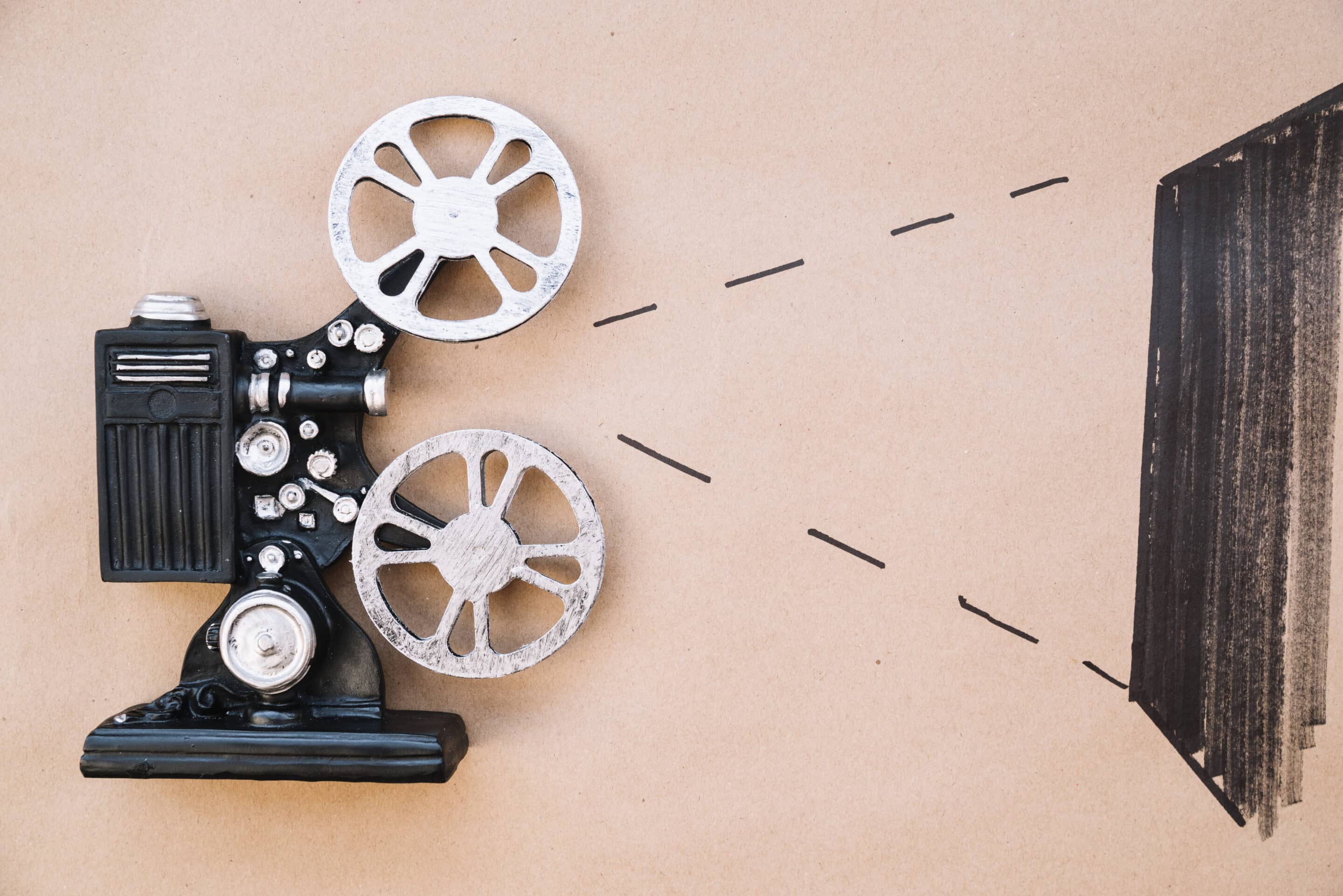
Memories captured on film are precious relics of the past, encapsulating moments that deserve to be cherished and revisited. However, as technology advances, older mediums such as film reels can become obsolete and challenging to view. Film to video transfer offers an invaluable solution to this problem, preserving cherished memories in a format that is easily accessible and enduring. This process not only safeguards historical family moments but also enriches them, ensuring they remain vibrant and clear for future generations.
The Importance of Film to Video Transfer
There are several compelling reasons to consider transferring film to video:
- **Preservation**: Film is susceptible to degradation over time, resulting in loss of quality or, worse, complete unwatchability. By transferring to digital, memories are preserved indefinitely.
- **Accessibility**: Digital formats are easily shareable and viewable on a variety of modern devices, from laptops to smartphones.
- **Quality Enhancement**: Advanced techniques can improve the quality of the original footage, often resulting in sharper images and clearer sound.
To explore advanced guides and tips on preserving film memories, discover expert strategies here.
Understanding the Transfer Process
The process of converting film to video involves several meticulous steps that ensure each frame is accurately captured and preserved:
Step 1: Film Inspection and Cleaning
Before any conversion can begin, a thorough inspection of the film is necessary. This step identifies any potential damage that could affect the quality of the transfer. Cleaning the film is crucial to remove dust and debris, which can obscure the clarity of the images.
Step 2: Digital Conversion
The cleaned film is then converted into a digital format. This involves capturing each frame using specialized equipment that ensures high resolution and precise color reproduction.
Step 3: Editing and Enhancement
Once digitized, the footage undergoes editing to remove any unwanted segments and enhance the overall quality. Techniques such as color correction and noise reduction are employed to enrich the final product.
For more information on tailored solutions that can make the conversion process seamless, learn about our tailored solutions.
Benefits of Professional Conversion Services
Opting for a professional service to handle film to video transfer ensures several advantages:
- **Expert Handling**: Professionals have the know-how to handle delicate films and convert them without causing damage.
- **State-of-the-Art Equipment**: Access to high-end equipment ensures superior quality in the digital output.
- **Time Efficiency**: Professionals can complete the transfer process efficiently, saving time and effort.
To find out more about this approach and how it can benefit your archival needs, find out more about this approach.
Conclusion
Film to video transfer is not merely a technical process; it is a bridge connecting the past to the present, ensuring that the moments of yesterday can be cherished today and tomorrow. By choosing to convert film to a more durable and accessible format, the longevity of these invaluable memories is guaranteed. Whether for personal nostalgia or family archiving, understanding and utilizing professional conversion services is a pivotal step in preserving history for generations to come.
For further insights into the film to digital conversion journey, explore advanced guides and tips.