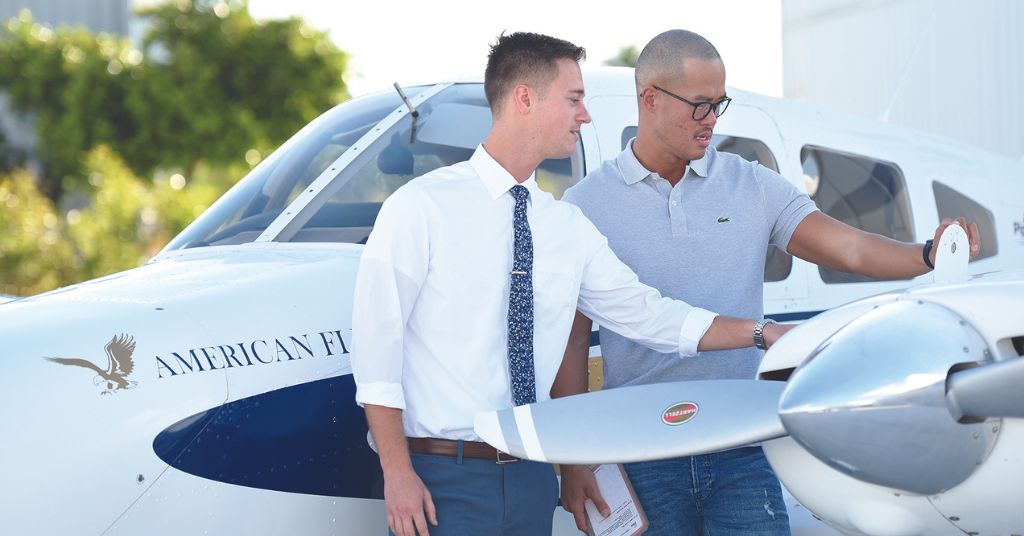
Acquiring a Private Pilot Licence (PPL) is an exciting endeavor that allows individuals to explore the skies and gain unparalleled freedom. It is not only an essential step for those aiming to become professional pilots but also a rewarding pursuit for aviation enthusiasts. Mastering your skills through private pilot licence training can lead to a deeper understanding of aviation principles, enhanced safety, and confidence in flying diverse aircraft. This article explores key aspects of PPL training, offering insights into the journey of becoming a proficient private pilot.
Understanding the Importance of a Private Pilot Licence
A Private Pilot Licence is a foundational qualification that enables individuals to act as pilot-in-command of an aircraft for non-commercial purposes. It is crucial for:
- Gaining comprehensive knowledge of aerodynamics, meteorology, and aviation regulations.
- Developing practical flying skills under various conditions.
- Building confidence to operate different types of aircraft safely.
- Serving as a prerequisite for advanced pilot certifications.
Read more about this topic to understand the detailed curriculum and requirements of a PPL.
Key Components of Private Pilot Licence Training
Theoretical Knowledge
The theoretical component of PPL training covers various subjects essential to pilot proficiency. These include:
- Aerodynamics: Understanding how aircraft fly, the forces involved, and how to control them.
- Meteorology: Learning to interpret weather patterns and their impact on flight safety.
- Navigation: Mastering the skills to plan and execute flights using different navigation techniques.
- Regulations: Familiarizing with aviation laws and operational procedures to ensure compliance and safety.
For a comprehensive breakdown of the theoretical knowledge required, learn more in this detailed guide.
Practical Flight Training
Practical training is a crucial element of PPL training, involving hands-on flying experience. It includes:
- Initial Flight Lessons: Gaining basic control of the aircraft and understanding cockpit instruments.
- Solo Flights: Demonstrating proficiency and confidence by flying independently.
- Cross-Country Flights: Planning and executing longer flights to unfamiliar airports.
- Emergency Procedures: Practicing handling unexpected situations to ensure pilot readiness and safety.
Explore further insights here on how practical training is conducted and its significance.
Benefits of Mastering PPL Training
Completing PPL training offers numerous benefits beyond the fundamental ability to fly:
- Enhanced Safety: Well-trained pilots are better equipped to handle adverse conditions and emergencies, ensuring safer flights.
- Increased Confidence: Mastering flying skills leads to greater confidence in decision-making and aircraft operation.
- Foundation for Advanced Training: PPL serves as a stepping stone for those aspiring to pursue commercial pilot licenses or instructor ratings.
- Personal Fulfillment: The personal accomplishment of earning a PPL can be immensely rewarding.
Find additional information here on how mastering a PPL can open doors to further aviation opportunities.
Conclusion
Mastering skills with private pilot licence training is a valuable journey that equips individuals with the knowledge and experience needed to safely and confidently navigate the skies. Whether pursuing a career in aviation or flying as a hobby, a PPL lays a strong foundation for future aviation endeavors. By understanding the importance, components, and benefits of PPL training, aspiring pilots can embark on an enriching journey that transforms their passion for flying into a reality.