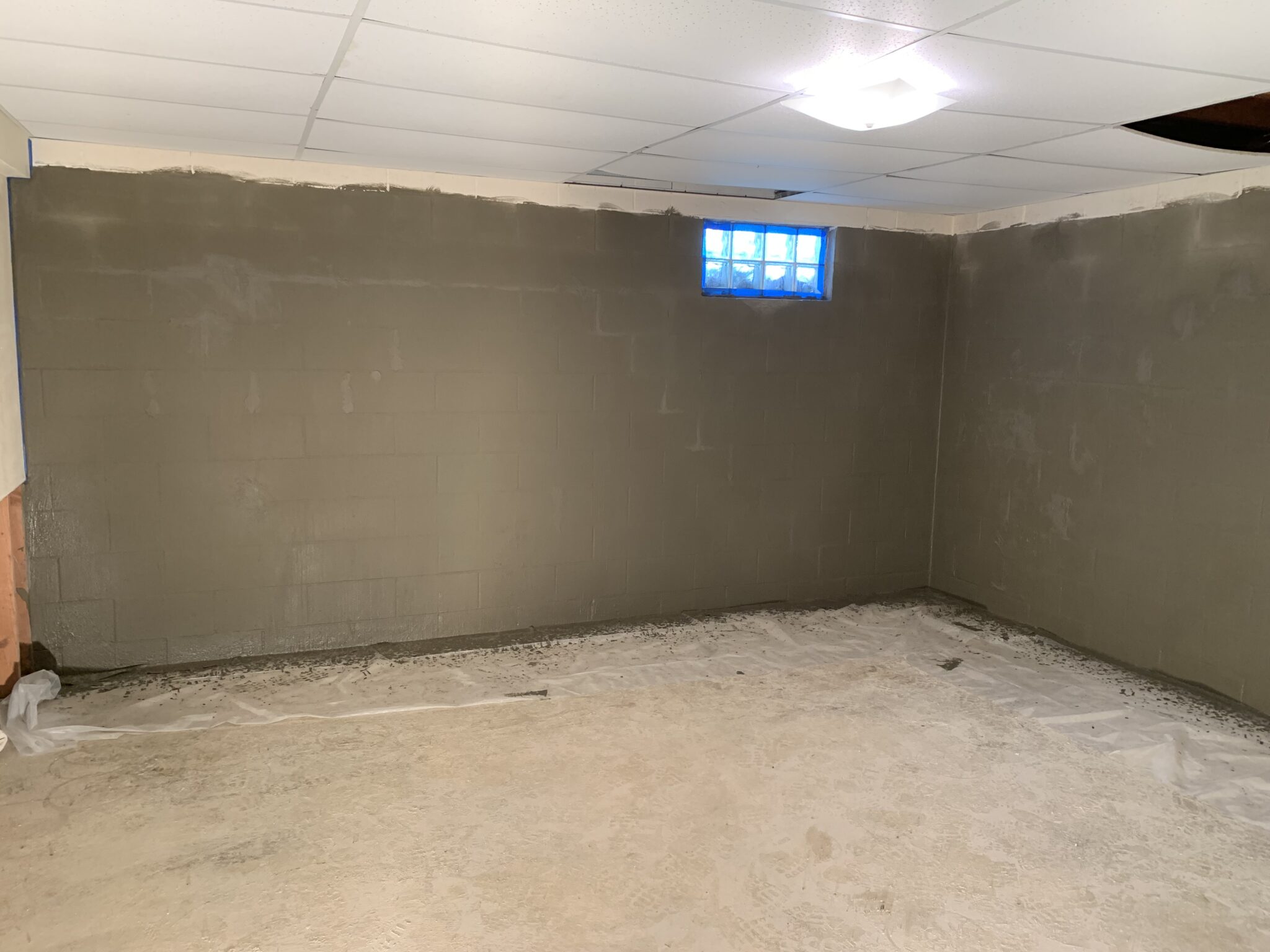
Foundation problems can quickly evolve from minor concerns to expensive repairs if they are not identified and addressed early. By understanding the underlying causes, implementing routine maintenance, and applying proven preventative measures, homeowners can safeguard their property’s structural integrity and avoid the financial strain of major remediation. The following guide outlines practical steps and expert insights to keep foundations stable for years to come.
Identify Common Causes of Foundation Damage
Before implementing preventative strategies, it is essential to recognize the factors that most frequently compromise foundations. Awareness allows for targeted action and early detection.
Soil Movement
- Expansive clay soils swell when saturated and shrink during dry periods, creating pressure on footings.
- Loose, uncompacted fill can settle unevenly, leading to differential settlement.
- Soil erosion from water runoff removes support from the foundation base.
Water Intrusion
- Poor drainage directs rainwater toward the foundation, increasing hydrostatic pressure.
- Leaking plumbing or faulty gutters can saturate the surrounding soil.
- High groundwater tables elevate moisture levels around the footing.
Construction Deficiencies
- Improperly mixed or cured concrete reduces strength.
- Insufficient reinforcement or inadequate footing depth fails to distribute loads.
- Neglecting to install proper waterproofing membranes allows moisture penetration.
Establish a Routine Inspection Schedule
Regular visual checks and simple tests can reveal early signs of distress before they become costly repairs. A systematic approach ensures nothing is overlooked.
- Inspect interior walls for cracks that appear near doors, windows, or corners.
- Check exterior brickwork for horizontal or stair-step cracks.
- Monitor doors and windows for difficulty opening or closing, which may indicate shifting.
- Use a level to assess floor flatness; noticeable dips or sloping can signal settlement.
- Examine the basement or crawl space for moisture, mold, or standing water.
For detailed guidance on creating an effective inspection routine, Discover expert strategies here.
Improve Soil and Drainage Management
Controlling moisture levels around the foundation is one of the most effective ways to prevent movement and cracking.
- Maintain Proper Grading: Ensure the ground slopes away from the house at a minimum of 5% for the first 10 feet.
- Install or Repair Gutters and Downspouts: Direct runoff at least 6 feet from the foundation.
- Use French Drains or Sump Pumps: Manage high groundwater and prevent water accumulation.
- Apply Soil Stabilizers: In areas with expansive clay, consider lime or cement-based additives to reduce swelling.
Additional techniques for managing moisture can be explored by Learn about our tailored solutions.
Adopt Proper Construction Practices
Even when renovating or building a new home, following industry best practices can dramatically reduce future foundation issues.
- Specify a concrete mix with appropriate compressive strength and water-cement ratio.
- Require proper curing time, typically at least 7 days, before applying loads.
- Include reinforcement bars (rebar) spaced according to engineering specifications.
- Install a continuous waterproofing membrane beneath slabs and around footings.
- Use vibration equipment to eliminate air pockets during concrete placement.
For a deeper dive into construction standards and advanced techniques, Explore advanced guides and tips.
When to Seek Professional Assessment
While many warning signs can be monitored by homeowners, certain conditions warrant immediate expert evaluation.
- Large, rapidly expanding cracks (greater than 1/4 inch) in foundation walls.
- Visible bowing or bulging of basement walls.
- Persistent moisture or mold despite drainage improvements.
- Uneven floor levels that affect daily living spaces.
- Structural movement that impacts doors, windows, or built-in fixtures.
Professional engineers and foundation specialists can conduct detailed assessments, including soil testing and load analysis. More information on how to choose qualified experts is available at Find out more about this approach.
Cost-Saving Tips for Long-Term Foundation Health
Investing in preventative measures today can result in substantial savings over the lifespan of a property.
- Schedule Seasonal Maintenance: Perform drainage checks before rainy seasons and after winter melt.
- Use Landscape Design Wisely: Avoid planting large trees close to the foundation; roots can disrupt soil stability.
- Implement Smart Water Management: Install rain barrels and irrigation timers to prevent over-watering.
- Document Changes: Keep a log of inspections, repairs, and modifications for future reference and resale value.
- Leverage Warranty Programs: Some foundation repair firms offer maintenance warranties that cover periodic inspections.
By integrating these strategies, homeowners can maintain structural stability and protect their investment without resorting to expensive emergency repairs. For a comprehensive suite of resources and ongoing support, Explore advanced guides and tips.