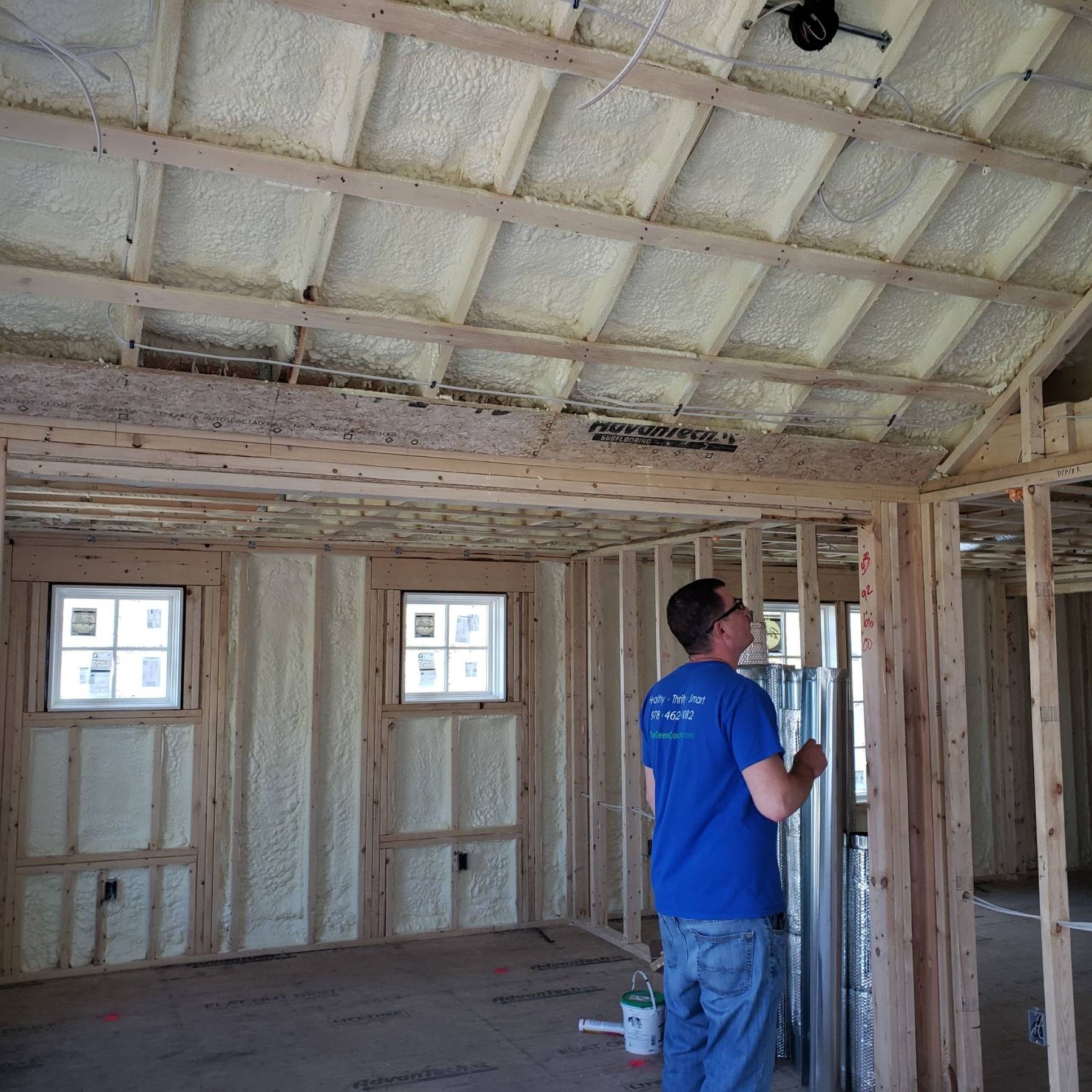
Energy efficiency has become a cornerstone of modern living, offering significant benefits to homeowners and businesses alike. One of the most effective ways to enhance energy efficiency is through proper insulation. By investing in energy-efficient insulation, individuals can not only reduce their environmental impact but also experience substantial financial savings. This article explores how energy-efficient insulation saves money by reducing energy consumption, improving comfort, and enhancing property value.
Understanding Energy-Efficient Insulation
Energy-efficient insulation serves as a barrier to heat flow, maintaining the desired temperature within a building while minimizing the need for heating and cooling systems to work overtime. This can result in significant energy savings. Proper insulation can reduce heating and cooling costs by an average of 15% or more. Learn more in this detailed guide about how insulation achieves these savings.
Key Benefits of Energy-Efficient Insulation
1. Reduced Energy Bills
One of the most immediate advantages of energy-efficient insulation is the reduction in energy bills. By minimizing heat loss in the winter and keeping cool air inside during the summer, insulation reduces the load on heating and cooling systems. This can lead to:
- Lower monthly utility bills.
- Decreased wear and tear on HVAC systems, potentially lowering maintenance costs.
- A smaller carbon footprint due to decreased energy consumption.
For more insights into how insulation impacts energy costs, explore further insights here.
2. Enhanced Comfort
Insulation plays a critical role in ensuring indoor comfort by maintaining consistent indoor temperatures. This is particularly important in regions with extreme weather conditions. Proper insulation helps to:
- Eliminate cold drafts and hot spots.
- Improve indoor air quality by reducing the infiltration of outdoor pollutants.
- Create a quieter environment by reducing noise pollution.
Find additional information here on how insulation contributes to a comfortable living space.
3. Increased Property Value
Homes and buildings that are energy efficient are often more attractive to potential buyers and renters. Energy-efficient insulation can significantly enhance a property’s market value by offering:
- Improved energy ratings, which are appealing to environmentally-conscious buyers.
- Lower operational costs, making the property more affordable to maintain.
- An extended lifespan of the property due to reduced structural strain.
Read more about this topic and how it can affect your property’s value here.
Choosing the Right Insulation
Selecting the appropriate insulation material and method is crucial for maximizing energy efficiency. Factors to consider include:
- R-Value: This measures the insulation’s ability to resist heat flow. A higher R-value indicates better insulation performance.
- Material Type: Options include fiberglass, foam board, spray foam, and more. Each has its own advantages and ideal applications.
- Installation Area: Different areas of a building may require specific types of insulation for optimal performance.
For a comprehensive understanding of the different insulation options available, explore further insights here.
Conclusion
Investing in energy-efficient insulation is a smart decision that pays off in multiple ways, from financial savings to enhanced living conditions and increased property value. By taking the time to understand and implement the right insulation solutions, property owners can make a significant impact on their energy consumption and overall environmental footprint. For those looking to make informed decisions about their insulation needs, find additional information here.