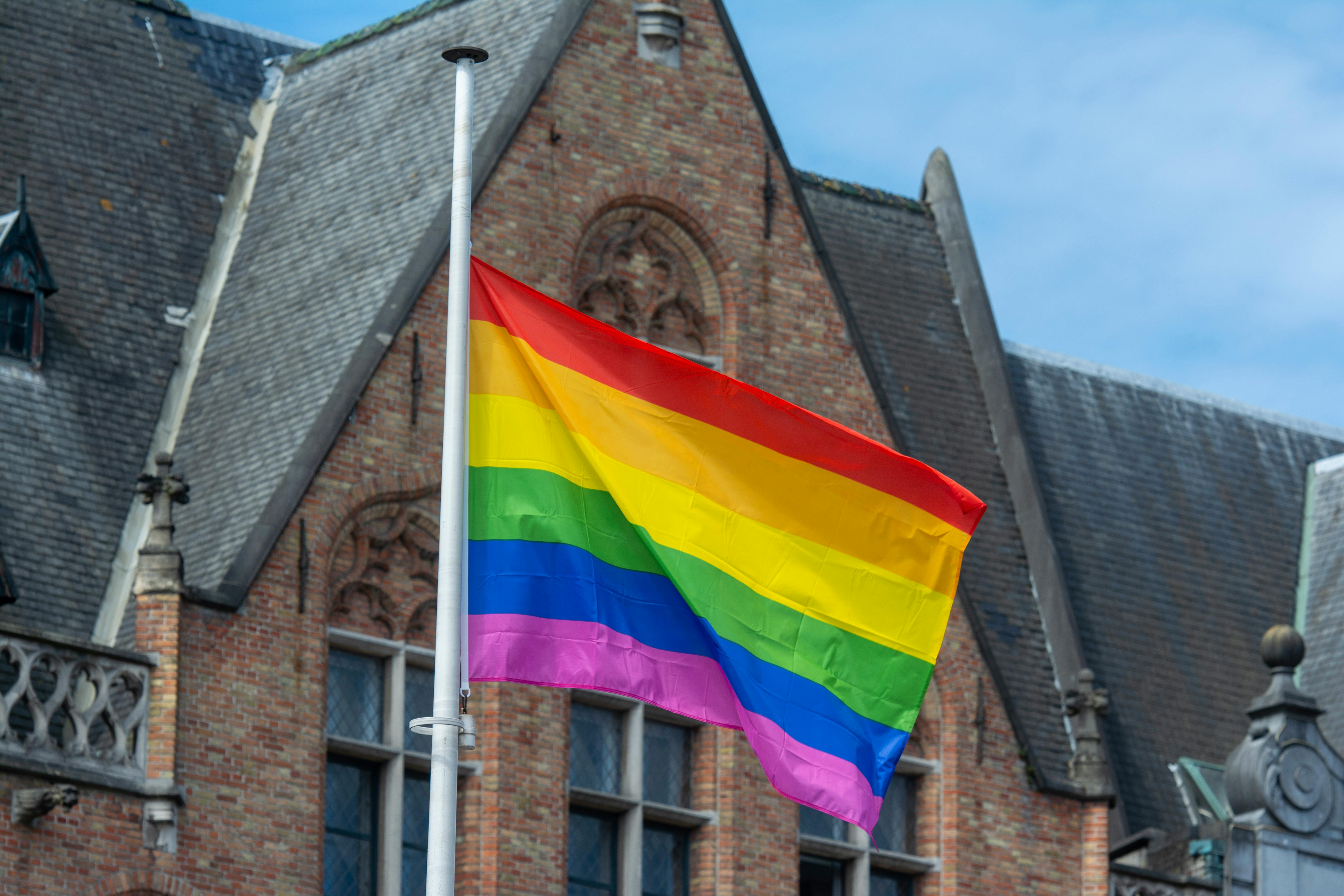
The vibrant spectrum of pride flags has become a significant symbol of visibility and solidarity within the LGBTQ community. These flags not only represent various sexual orientations and gender identities but also symbolize the diverse experiences and histories of these communities. Understanding the diversity of pride flags is essential for fostering inclusivity and respect for individual identities. For those seeking to deepen their knowledge or show support, a comprehensive exploration of these symbols is invaluable.
The Origin and Evolution of Pride Flags
The rainbow flag, designed by Gilbert Baker in 1978, is often recognized as the inaugural symbol of LGBTQ pride. Initially featuring eight colors, each stripe held distinct meaning, ranging from life and healing to spirit. Over time, the flag evolved into its six-color version, which is widely recognized today.
However, the landscape of pride flags has expanded far beyond the rainbow flag. This evolution is a testament to the growing recognition and celebration of the diverse identities within the LGBTQ community. For more insights into the transformation and significance of each flag, explore advanced guides and tips.
Understanding the Diversity of Pride Flags
Sexual Orientation Flags
- Lesbian Pride Flag: This flag features shades of pink and orange, representing community and sisterhood.
- Gay Pride Flag: Apart from the general rainbow flag, there are variations like the Gay Pride Flag with specific regional or cultural significance.
- Bisexual Pride Flag: Comprising pink, purple, and blue stripes, this flag symbolizes attraction to two or more genders.
- Asexual Pride Flag: With black, gray, white, and purple stripes, it represents asexuality, gray-asexuality, and demisexuality.
Each of these flags holds deep significance and unique stories. To learn more about these tailored solutions, find out more about this approach.
Gender Identity Flags
- Transgender Pride Flag: Designed with stripes in pink, blue, and white, it reflects the journey of transitioning individuals.
- Non-Binary Pride Flag: Featuring yellow, white, purple, and black stripes, this flag represents those who do not fit within the traditional gender binary.
- Genderfluid Pride Flag: With stripes in pink, white, purple, black, and blue, it represents fluidity in gender identity.
The representation of gender diversity through these flags plays a crucial role in empowerment and awareness. For a deeper understanding, consider exploring expert strategies here.
The Importance of Pride Flags in Modern Society
Pride flags serve as powerful symbols of identity and acceptance. They provide visibility and promote inclusivity across various communities. In modern society, these flags have become integral to events and celebrations, offering a sense of belonging and unity. By embracing these symbols, individuals and organizations can foster a more inclusive environment.
To further appreciate the importance and variety of pride flags, learn about our tailored solutions available for those interested in supporting and celebrating the LGBTQ community.
Conclusion
The diversity of pride flags is a testament to the richness of the LGBTQ community. Each flag tells a story of struggle, resilience, and pride. By understanding and respecting these symbols, society can move towards greater equality and acceptance. For those curious about the various flags and their meanings, explore advanced guides and tips to enhance their knowledge and support.