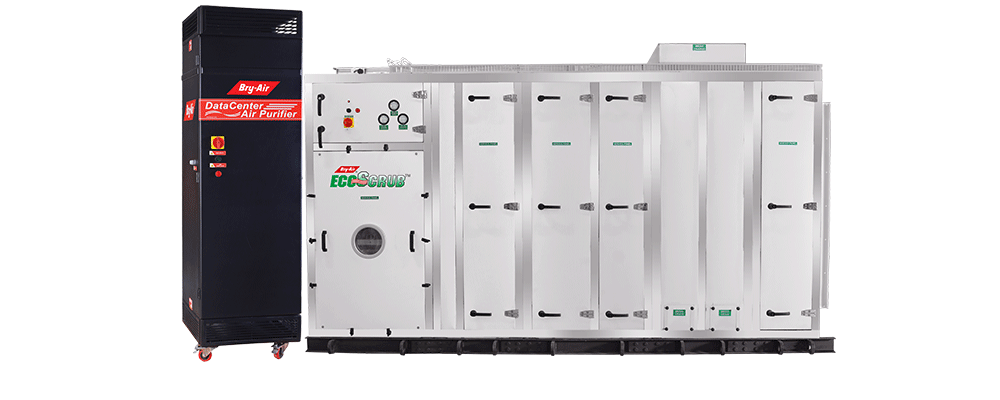
In environments where humidity control is crucial, engineered dehumidification systems play an essential role. These systems are meticulously designed to maintain optimal humidity levels, which is vital in various industries such as pharmaceuticals, food processing, and data centers. By understanding how these systems work, one can appreciate their importance in preserving product integrity, ensuring operational efficiency, and maintaining a safe environment.
What Are Engineered Dehumidification Systems?
Engineered dehumidification systems are specialized solutions tailored to control and regulate humidity levels in specific environments. Unlike standard dehumidifiers, these systems are customized based on the unique requirements of a facility, considering factors like space size, ambient conditions, and specific industry needs.
Key Components of Engineered Dehumidification Systems
- Sensors and Controllers: These components monitor environmental conditions and adjust the system’s operations to maintain desired humidity levels.
- Dehumidifying Units: The core of the system that extracts moisture from the air.
- Air Distribution Networks: Systems that ensure even distribution of dehumidified air throughout the facility.
- Energy Recovery Modules: Devices that improve the system’s energy efficiency by reclaiming and reusing energy during the dehumidification process.
For a more comprehensive understanding of these components, explore further insights here.
The Importance of Dehumidification
Humidity control is critical in various sectors for several reasons:
- Product Preservation: Excessive moisture can lead to spoilage and degradation of sensitive products.
- Operational Efficiency: Proper humidity levels prevent equipment malfunction and ensure smooth operations.
- Health and Safety: High humidity can promote the growth of mold and bacteria, posing health risks.
To understand more about the significance of dehumidification in different industries, read more about this topic.
Applications of Engineered Dehumidification Systems
These systems are used in a variety of applications, each with unique humidity control needs:
Pharmaceutical Industry
In pharmaceutical manufacturing and storage, humidity control is essential to ensure product efficacy and stability. Engineered systems prevent moisture-related issues that can compromise drug quality.
Food Processing
Food processing facilities use dehumidification to prevent mold growth and extend the shelf life of products. Maintaining a controlled environment is crucial for food safety and quality.
Data Centers
Humidity control in data centers is vital to protect sensitive electronic equipment from moisture-related damage, ensuring data integrity and operational reliability.
For additional information on how these systems are applied across various industries, find additional information here.
Advantages of Engineered Dehumidification Systems
Implementing a well-designed dehumidification system offers several benefits:
- Custom Solutions: Tailored to meet the specific needs of an environment, ensuring optimal performance.
- Energy Efficiency: Advanced technologies enable significant energy savings compared to standard dehumidifiers.
- Enhanced Control: Precision control over humidity levels contributes to better product quality and safety.
To delve deeper into the advantages and features of these systems, learn more in this detailed guide.
In conclusion, engineered dehumidification systems are vital for maintaining controlled environments across various industries. By understanding their components, applications, and benefits, stakeholders can ensure that their facilities operate efficiently and safely. For a more detailed exploration of engineered dehumidification systems, explore further insights here.