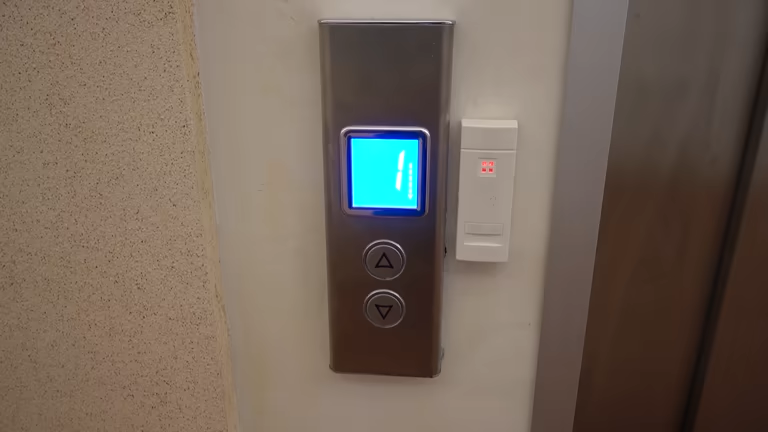
Elevators are an integral component of modern architecture, providing a seamless and efficient means of vertical transportation. At the heart of this system is the elevator control panel, a critical interface that ensures smooth operation and user-friendly interaction. The control panel, often unnoticed, plays a pivotal role in the functionality and safety of elevator systems, making it a vital component in both residential and commercial buildings.
Understanding the Elevator Control Panel
An elevator control panel serves as the command center for the elevator system. It is responsible for executing commands, processing signals, and ensuring the elevator operates as intended. Various elements are involved in its design and functionality, each contributing to the overall performance and safety of the elevator.
Key Components of an Elevator Control Panel
- Buttons: The most visible part of the panel, allowing users to select floors, open and close doors, and trigger emergency alarms.
- Display Screen: Provides real-time information about the elevator?s current floor and direction of travel.
- Indicator Lights: These signal power status, emergency conditions, and other notifications.
- Emergency Features: Includes an emergency stop button and a communication device for contacting help.
Functionality and Operation
The elevator control panel is designed for intuitive use, ensuring passengers can operate it with ease. The panel integrates complex systems that manage the elevator?s movement, speed, and stopping accuracy, all while maintaining high safety standards.
Advanced Features
Modern elevator control panels are equipped with advanced features aimed at enhancing user experience and operational efficiency:
- Touch Screen Interfaces: These replace traditional buttons, offering a sleeker look and more customizable options.
- Voice Command Capabilities: Allow users to operate the elevator hands-free, a feature beneficial for accessibility.
- Smart Technology Integration: Includes the ability to integrate with building management systems, providing data on usage patterns and maintenance needs.
Safety and Compliance
Safety is paramount in the design and operation of elevator control panels. Compliance with industry standards and regulations ensures the safety of passengers and smooth operation of the elevator system.
- Redundant Safety Systems: Ensure the elevator stops safely in case of a malfunction.
- Regular Maintenance Checks: Vital for identifying wear and tear before it becomes a safety issue.
- Compliance with Standards: Panels must comply with local and international safety standards to ensure reliable operation.
Choosing the Right Control Panel
When selecting a control panel for elevator systems, several factors should be considered to ensure compatibility with the specific requirements of the building and its users.
Considerations for Selection
- Building Type: The type of building, whether residential or commercial, influences the specifications of the control panel.
- User Traffic: High traffic areas may require more advanced panels with enhanced features.
- Customization Needs: Customizable panels can better meet the specific needs of different buildings.
In conclusion, the elevator control panel is a sophisticated component that plays a crucial role in the operation of elevator systems. Its design, functionality, and safety features are fundamental to ensuring efficient and reliable elevator service. Understanding the components, features, and selection criteria for control panels can aid in making informed decisions that enhance building operations and safety.