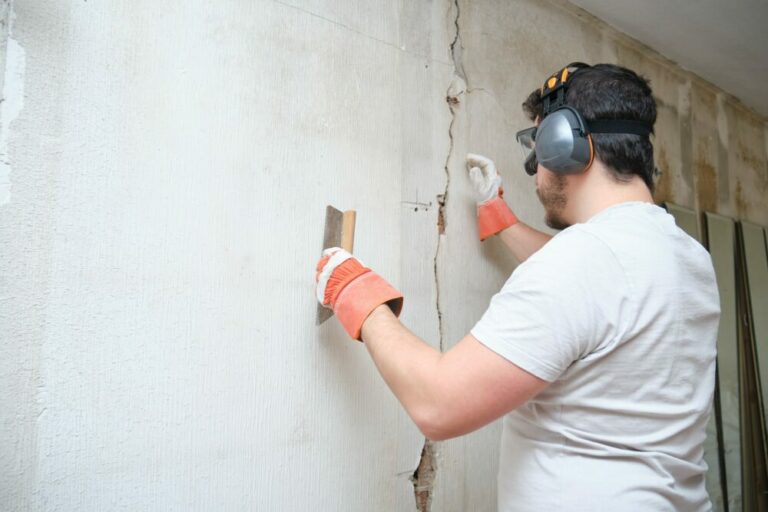
Cracked basement walls are a common issue faced by homeowners, often leading to concerns about structural integrity and potential water intrusion. Addressing these cracks promptly and effectively is crucial to maintaining the safety and value of a property. Depending on the severity and cause, various solutions exist to repair and prevent future basement wall cracks. Understanding these methods can help homeowners make informed decisions and ensure long-lasting repairs.
Identifying the Causes of Basement Wall Cracks
Before implementing any repair strategy, it is essential to understand the root cause of the cracks. Common causes include:
- Soil Pressure: The accumulation of moisture in the soil surrounding a foundation can increase pressure on the walls, leading to cracks.
- Hydrostatic Pressure: Water from heavy rains or poor drainage can exert pressure on basement walls, causing them to crack.
- Foundation Settlement: Over time, the ground beneath a foundation may shift, resulting in wall cracks.
- Poor Construction Practices: Inadequate reinforcement or the use of substandard materials can lead to structural weaknesses.
Effective Repair Solutions
Epoxy and Polyurethane Injections
For minor cracks, epoxy or polyurethane injections can be an effective solution. These materials are injected into the cracks to seal them and prevent water infiltration. Polyurethane is especially useful for active leaks due to its flexibility and ability to expand.
Learn about our tailored solutions for using these injections effectively.
Carbon Fiber Reinforcement
Carbon fiber straps are a popular choice for reinforcing walls with horizontal or stair-step cracks. They are lightweight, easy to install, and provide the necessary support to prevent further movement. This method is ideal for stabilizing walls without extensive reconstruction.
Find out more about this approach to reinforcing basement walls.
Wall Anchors and Bracing
In cases where cracks are due to bowing walls, wall anchors or braces may be necessary. Wall anchors are installed in the soil outside the foundation and attached to steel plates inside the basement, pulling the wall back to its original position. Bracing involves the use of steel I-beams that are fastened to the floor and joists to stabilize the wall.
These solutions are particularly effective for serious structural issues. Explore advanced guides and tips on using wall anchors and bracing effectively.
Preventative Measures and Maintenance
Preventing future cracks involves both regular maintenance and addressing underlying issues. Consider the following strategies:
- Improve Drainage: Ensure that gutters and downspouts are directing water away from the foundation.
- Soil Grading: The landscape should slope away from the house to prevent water accumulation near the foundation.
- Install a Sump Pump: A sump pump can help manage excess water in the basement, reducing hydrostatic pressure.
- Monitor Moisture Levels: Keeping the basement environment dry reduces the risk of cracks and other moisture-related issues.
For comprehensive guidance on preventative measures, discover expert strategies here.
Conclusion
Addressing cracked basement walls requires a thorough understanding of the causes and the implementation of appropriate repair methods. From injection techniques to reinforcement and drainage improvements, the right solution depends on the specific circumstances of each case. By taking proactive measures, homeowners can safeguard their properties against future damage and ensure the longevity of their basements.