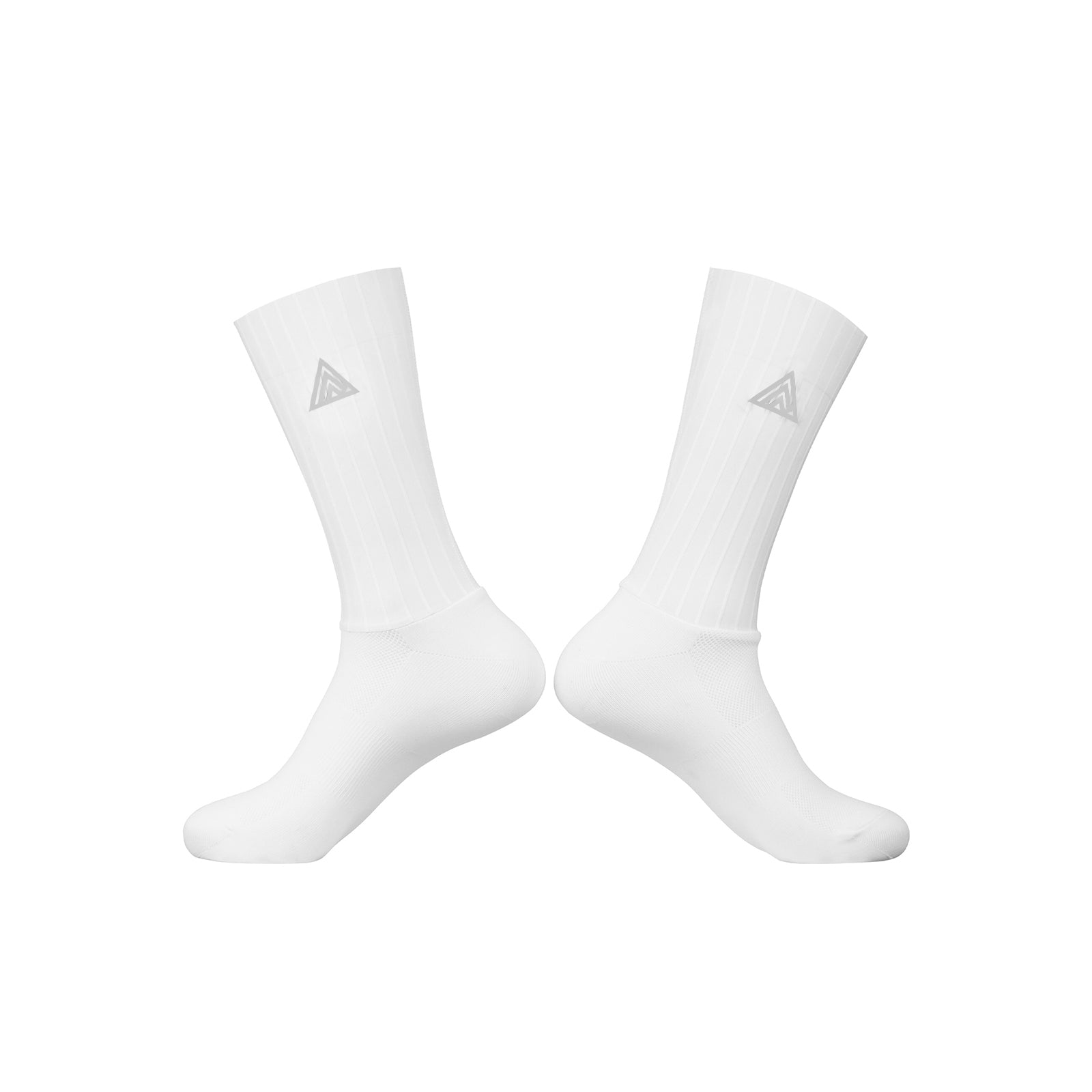
When temperatures dip below freezing, cyclists often face a dilemma: protect their feet from the chill without adding bulk that could slow them down. The solution lies in a well-designed cycling overshoe that balances thermal insulation with aerodynamic efficiency. Modern overshoes incorporate advanced fabrics, strategic seam placement, and snug yet flexible fits, allowing riders to maintain power output and cadence while keeping frostbite at bay. This article explores the key features to look for, how to choose the right pair for your riding style, and practical tips for maximizing warmth without compromising speed.
Why Overshoes Matter in Cold-Weather Cycling
Cold air conducts heat away from the body far more quickly than warm air, and the feet are especially vulnerable because they have a high surface-area-to-volume ratio. An effective overshoe serves three primary functions:
- Thermal barrier: Traps a layer of warm air close to the shoe, reducing heat loss.
- Aerodynamic smoothness: Streamlines the shoe-ankle interface, minimizing drag.
- Weather protection: Shields against wind, snow, and moisture that can seep into the shoe.
Choosing an overshoe that excels in these areas ensures that riders can push hard in sub-zero conditions without feeling the bite of the wind.
Key Features of High-Performance Cold-Weather Overshoes
Material Technology
Advanced synthetic fibers such as polyester-elastane blends and Gore-Therm fabrics dominate the market. These materials provide:
- High loft for insulation while remaining lightweight.
- Excellent moisture-wicking properties to keep feet dry.
- Stretch that conforms to the shoe’s shape, preserving pedal efficiency.
Fit and Seal
A snug seal around the ankle prevents cold air infiltration. Look for overshoes with:
- Elastic cuffs that grip without cutting circulation.
- Adjustable Velcro or silicone straps for a customized fit.
- Minimal seam bulk to avoid creating pressure points.
Compatibility with Pedal Systems
Most road cyclists use clipless systems, so the overshoe must accommodate cleats without interfering with release mechanisms. Features to verify include:
- Reinforced cleat pockets that resist tearing.
- Low-profile design that keeps the cleat’s angle unchanged.
- Compatibility notes from the manufacturer for popular pedal brands.
How to Choose the Right Overshoe for Your Riding Style
Not every overshoe suits every cyclist. Consider the following variables when making a selection:
- Intensity of effort: High-intensity racers benefit from ultra-light, low-profile options, while endurance riders may prioritize additional insulation.
- Duration of exposure: Multi-hour rides demand breathable fabrics that prevent sweat buildup, whereas short sprints can tolerate slightly thicker layers.
- Terrain and wind exposure: Open-road cyclists face stronger headwinds and should favor aerodynamic cuts, whereas mountain bikers may need reinforced toe caps for debris protection.
For a curated collection that meets these criteria, Discover expert strategies here and explore models engineered for both warmth and speed.
Maintenance Tips to Preserve Warmth and Performance
Proper care extends the lifespan of overshoes and maintains their thermal efficiency. Follow these guidelines:
- Gentle washing: Use a mild detergent on a cold cycle, avoiding fabric softeners that can clog the breathability pores.
- Air drying: Lay flat in a well-ventilated area; direct heat sources can degrade elastic components.
- Regular inspection: Check seams and elastic cuffs for wear; replace before they lose their seal.
Integrating Overshoes into a Complete Cold-Weather Kit
Overshoes work best when paired with complementary gear. A balanced kit might include:
- Thermal base layers with moisture-wicking properties.
- Wind-proof jackets that maintain core temperature.
- Insulated gloves and headwear to prevent overall heat loss.
When each element is selected with performance in mind, the rider experiences a harmonious system where no single piece compromises speed. For further guidance on building such a kit, Learn about our tailored solutions that align with professional standards.
Real-World Performance: Case Studies
Professional cyclists testing overshoes in Arctic conditions reported:
- A 5-7% reduction in perceived cold stress.
- No measurable loss in power output compared to barefoot conditions.
- Improved pedal stroke consistency due to the secure cleat interface.
These findings underscore that the right overshoe can be a decisive factor in race day performance, especially when temperatures hover around -5″???C (23″???F) or lower.
Final Thoughts
Cold-weather cycling no longer requires a trade-off between warmth and speed. By selecting an overshoe that incorporates cutting-edge materials, a precise fit, and pedal-system compatibility, riders can stay comfortable and maintain aerodynamic efficiency. Pairing the overshoe with a well-balanced apparel system further enhances performance, allowing cyclists to focus on power output rather than frostbite.
For a deeper dive into product options and technical specifications, Explore advanced guides and tips. Additional resources provide insight into layering strategies, wind-chill calculations, and the science behind thermal regulation, helping cyclists make informed decisions that keep them fast and warm throughout the season.
Ready to upgrade your cold-weather arsenal? Find out more about this approach and experience the difference that a premium overshoe can make on the road.