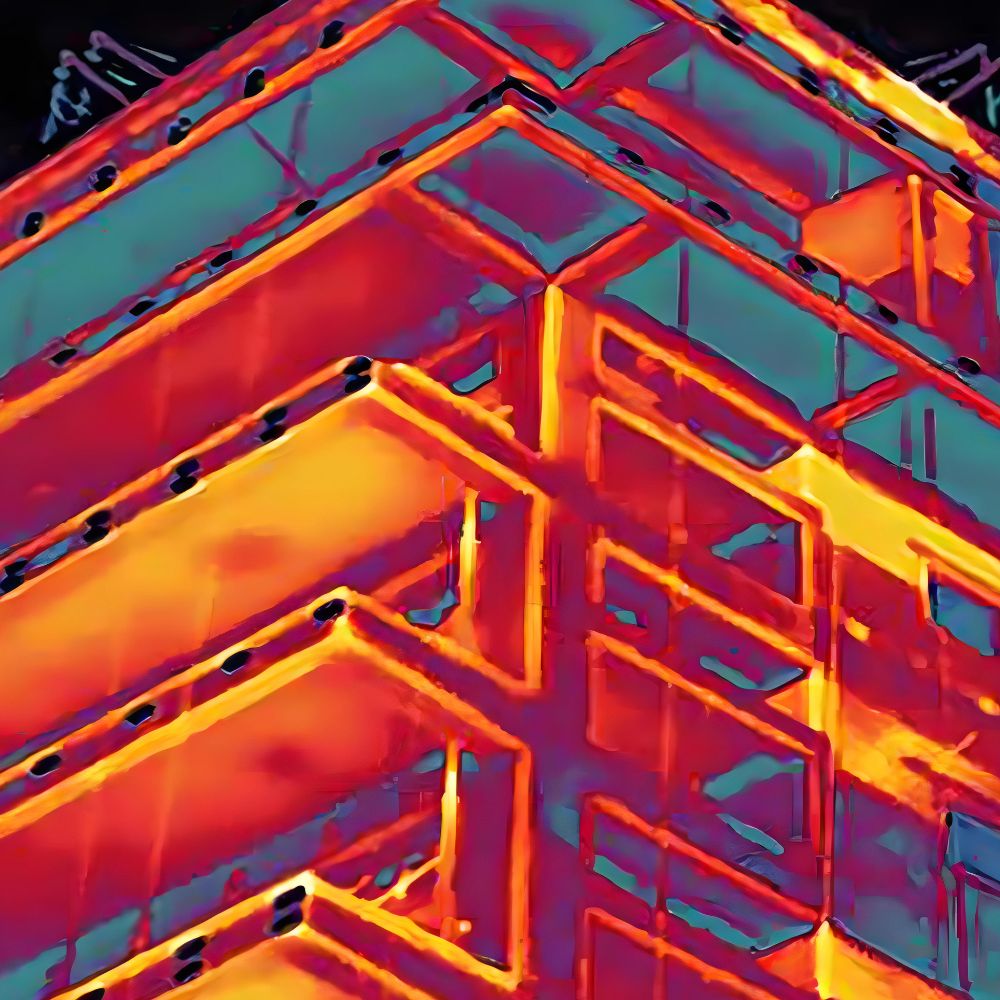
In the realm of building and construction, ensuring energy efficiency is paramount. One of the essential elements in achieving this is the use of thermal breaks. These components play a crucial role in minimizing energy loss and enhancing overall building performance. When selecting thermal breaks, several key considerations should guide the decision-making process to ensure optimal results and long-term sustainability.
Understanding Thermal Breaks
Thermal breaks are materials that are used to reduce the transfer of thermal energy between conductive materials. They are crucial in preventing thermal bridging, which can lead to increased energy consumption and reduced comfort levels within a building.
Material Composition
- Thermal breaks are commonly made from materials with low thermal conductivity, such as plastic, rubber, or specialized insulating materials.
- The choice of material should align with the specific needs of the project, considering factors such as weather conditions and structural requirements.
For a deeper understanding of the materials used in thermal breaks, discover expert strategies here.
Performance and Efficiency
When evaluating thermal breaks, performance metrics are critical. Consider the following aspects:
- Thermal Resistance (R-value): A higher R-value indicates better insulating properties. It’s important to choose a thermal break that meets or exceeds the required R-value for your project.
- Durability: The thermal break should withstand environmental conditions without degrading over time.
- Compatibility: Ensure that the thermal break is compatible with the materials and construction methods used in the project.
To compare different performance metrics, learn about our tailored solutions.
Installation and Maintenance
Proper installation and maintenance are crucial to the effectiveness of thermal breaks. Consider the following:
- Ease of Installation: Opt for thermal breaks that are easy to install, reducing labor costs and time.
- Maintenance Requirements: Choose materials that require minimal maintenance to ensure long-term performance.
For comprehensive installation guides, explore advanced guides and tips.
Cost Considerations
While cost is always a factor, it should not be the sole determinant. Consider the following:
- Initial Costs vs. Long-term Savings: Higher initial costs might be offset by energy savings over time.
- Value for Money: Assess the cost-benefit ratio of the thermal break in terms of performance and longevity.
To evaluate cost-effective options, find out more about this approach.
Environmental Impact
With increasing focus on sustainability, choosing environmentally friendly materials is crucial:
- Recyclability: Opt for materials that can be recycled at the end of their life cycle.
- Low Environmental Impact: Consider the carbon footprint of the material during its production and installation.
For more on sustainable options, explore advanced guides and tips.
In conclusion, selecting the right thermal breaks involves a careful evaluation of material properties, performance, installation, cost, and environmental impact. By focusing on these key considerations, one can ensure that the thermal breaks chosen will contribute significantly to the energy efficiency and sustainability of a building project.