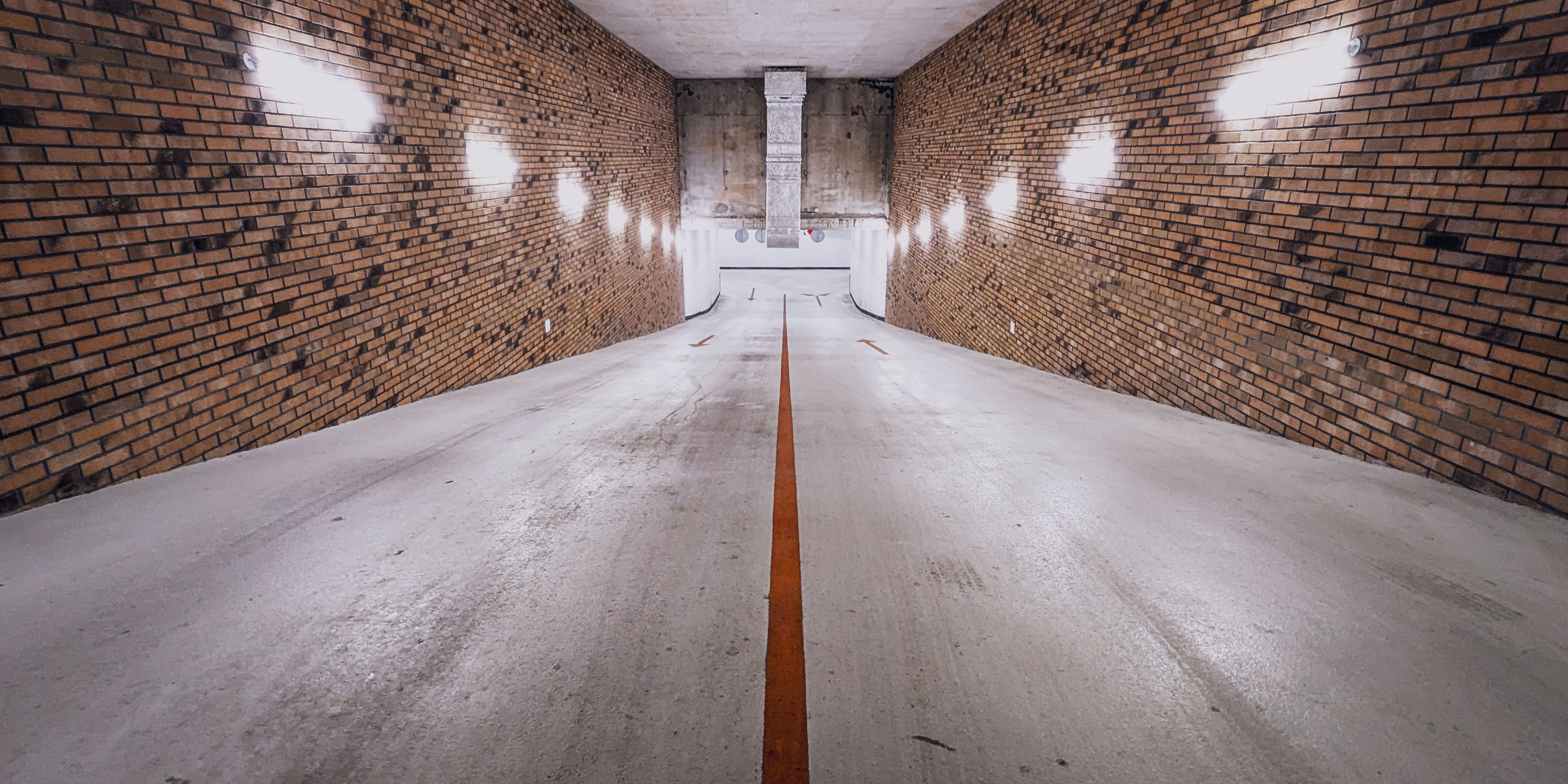
Concrete densification and cleaning are vital processes in maintaining the durability and appearance of concrete surfaces, especially in commercial settings. These processes not only enhance the aesthetic appeal but also extend the lifespan of concrete floors by making them more resistant to wear and tear. Selecting the appropriate methods for densification and cleaning can significantly impact the results. This article provides an in-depth guide to choosing the right techniques for concrete densification and cleaning, ensuring optimal outcomes for any project.
Understanding Concrete Densification
Concrete densification involves the application of a chemical hardener that fills the pores of the concrete, transforming it into a denser and more durable surface. This process is essential for high-traffic areas where the concrete is subject to substantial wear.
Types of Densifiers
When selecting a densifier, consider the following options:
- Sodium Silicate: A cost-effective option that reacts with the concrete to form a hard, glass-like material. However, it may leave a whitish residue if not applied correctly.
- Potassium Silicate: Similar to sodium silicate, but more reactive and leaves less residue, making it suitable for polished concrete floors.
- Lithium Silicate: Known for deep penetration and minimal residue, lithium silicate is ideal for both new and existing concrete surfaces.
Find out more about this approach to determine which densifier is best suited to your project needs.
Methods for Concrete Cleaning
Cleaning concrete surfaces is crucial to maintaining their appearance and functionality. The appropriate cleaning method depends on the type of dirt or stain, the condition of the concrete, and the desired outcome.
Types of Cleaning Techniques
- Pressure Washing: Ideal for removing surface dirt and grime, pressure washing uses high-pressure water to clean concrete surfaces effectively. It’s essential to adjust the pressure based on the concrete’s condition to avoid damage.
- Chemical Cleaning: This method utilizes various chemicals to dissolve stains and contaminants. Select the right chemical based on the type of stain, such as acid-based cleaners for rust or alkaline cleaners for grease.
- Steam Cleaning: For an environmentally friendly option, steam cleaning uses high-temperature steam to sanitize and remove dirt without chemicals.
For more detailed guidance on selecting the appropriate cleaning method, explore advanced guides and tips.
Factors to Consider in Method Selection
Several factors should be considered when choosing the appropriate methods for concrete densification and cleaning:
- Surface Condition: Assess the current condition of the concrete. Older or damaged surfaces may require more intensive treatment.
- Type of Use: Consider the area”?s usage. High-traffic areas may need more durable densification methods and frequent cleaning schedules.
- Environmental Impact: Evaluate the environmental impact of the methods chosen. Opt for eco-friendly options when possible, such as steam cleaning.
- Budget Constraints: Align your choice with the available budget, balancing cost with the long-term benefits of each method.
To tailor your strategy to these factors, learn about our tailored solutions.
Conclusion
Choosing the right method for concrete densification and cleaning is a crucial step in ensuring the longevity and visual appeal of concrete surfaces. By understanding the various types of densifiers and cleaning techniques, as well as considering factors such as surface condition and environmental impact, informed decisions can be made to achieve the best results. Discover expert strategies here to further enhance your approach to concrete maintenance.