Choosing the right food for your parrot is crucial for maintaining its health and well-being. Parrots, being highly intelligent and active birds, require a balanced diet that caters to their specific nutritional needs. With a plethora of options available, selecting the best parrot food can be challenging. This article delves into the essential considerations for parrot nutrition, helping pet owners make informed decisions and ensure their feathered friends thrive.
Understanding Your Parrot’s Nutritional Needs
Parrots have diverse dietary requirements based on their species, size, and lifestyle. Here are some key nutritional components that should be included in your parrot’s diet:
- Proteins: Essential for growth and tissue repair. Sources include lean meats, eggs, and legumes.
- Fats: Provide energy and support cell function. Avocados and nuts are excellent sources, but in moderation.
- Carbohydrates: Offer energy and should include whole grains and vegetables.
- Vitamins and Minerals: Crucial for metabolic processes. Fruits and vegetables can supply these nutrients.
Discover expert strategies here for meeting these nutritional needs with tailored solutions.
Types of Parrot Food
Pellets
Pellets are a popular choice for many parrot owners as they offer a balanced mix of nutrients. They prevent selective feeding where parrots might only eat their favorite seeds, ensuring a more consistent intake of necessary nutrients.
Learn about our tailored solutions for opting for high-quality pellets that match your parrot’s dietary requirements.
Seeds
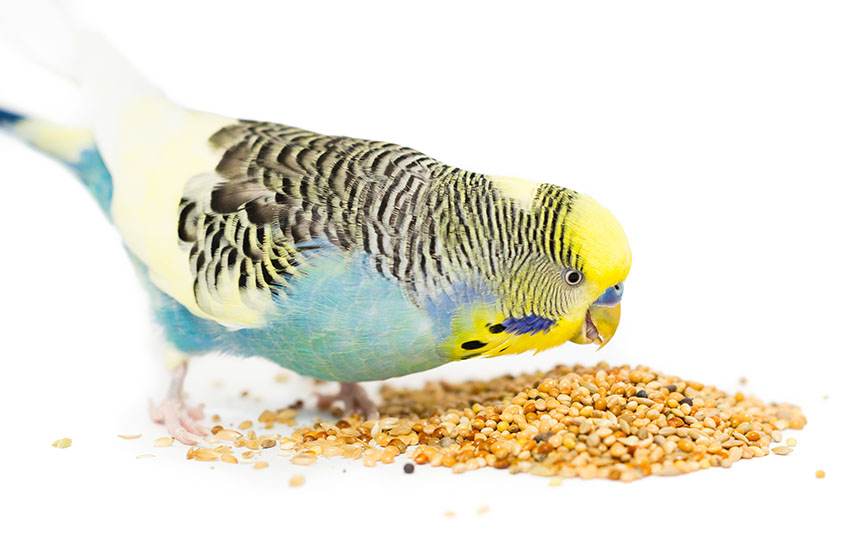
While seeds can be a component of a parrot’s diet, they should not be the sole source of nutrition. Seeds are often high in fat and low in essential vitamins and minerals. It is crucial to supplement seed diets with fresh fruits and vegetables.
Explore advanced guides and tips to balance a seed-based diet effectively.
Fresh Foods
Fresh fruits and vegetables should be a staple in your parrot’s diet. They are rich in vitamins and antioxidants that are vital for your parrot’s immune system. Aim to include a variety of colors and textures to keep your parrot interested and engaged.
Find out more about this approach to incorporating fresh foods into your parrot’s meals.
Additional Tips for Feeding Your Parrot
Consider the following tips to enhance your parrot’s diet and feeding experience:
- Variety: Mix different types of food to prevent boredom and encourage a balanced diet.
- Portion Control: Avoid overfeeding by measuring portions appropriate for your parrot’s size and activity level.
- Regular Checkups: Schedule veterinary visits to monitor your parrot’s health and adjust the diet as needed.
- Hydration: Always ensure fresh water is available, as hydration is key to digestion and health.
Discover expert strategies here to optimize feeding practices for your parrot.
Selecting the best food for your parrot is not just about providing sustenance; it’s about ensuring a long, healthy, and happy life for your feathered companion. By understanding their nutritional needs and choosing the right combination of foods, you contribute significantly to their overall well-being.