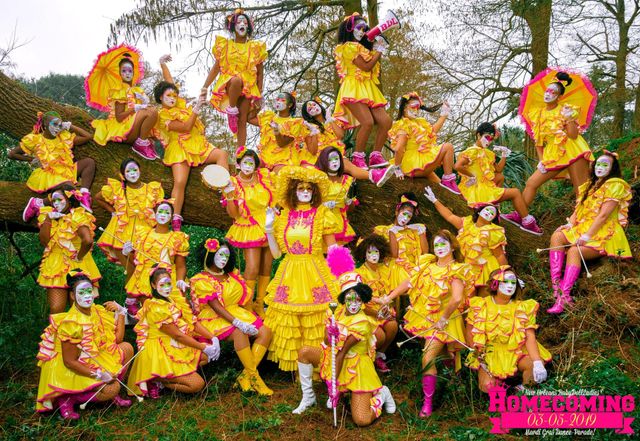
The vibrant cultural tapestry of New Orleans is woven with many unique traditions, none more enchanting than that of the Baby Doll Ladies. Emerging in the early 20th century, these lively groups of women have been an integral part of the city’s festive celebrations, particularly during Mardi Gras. Their flamboyant attire and spirited performances offer a glimpse into the rich history and cultural dynamics of New Orleans, encapsulating themes of empowerment, resistance, and community spirit.
The Origins of the Baby Doll Tradition
The New Orleans Baby Doll Ladies trace their roots back to the early 1900s. This tradition began as a unique form of expression among African American women during a time when societal norms restricted their participation in mainstream Mardi Gras activities.
- The first Baby Doll groups were formed around the 1910s and 1920s.
- These groups were often connected to the social and pleasure clubs prevalent in African American communities.
- The Baby Doll tradition provided a platform for women to assert their presence during Mardi Gras, a celebration dominated by male-led organizations.
Significance and Symbolism
The Baby Doll costume itself is rich with symbolism, representing a blend of femininity, strength, and defiance. These costumes typically include frilly dresses, bonnets, stockings, and high heels, reflecting a playful and exaggerated femininity.
- The outfits are often handmade, showcasing individual creativity and craftsmanship.
- The playful and sometimes provocative nature of the costumes challenged conventional gender roles and societal expectations.
- By embodying the Baby Doll persona, women expressed their autonomy and challenged racial and gender stereotypes.
Evolution Through the Decades
Over the years, the Baby Doll tradition has evolved, adapting to the cultural and social changes in New Orleans. The resurgence of interest in this tradition in recent years reflects a growing appreciation for its historical significance and cultural impact.
Revival and Recognition
In the late 20th century, there was a renewed interest in preserving and celebrating the Baby Doll tradition. This revival has been marked by increased public performances and the formation of new Baby Doll groups.
- Modern Baby Doll groups perform at various cultural events and festivals, both locally and nationally.
- The tradition has been recognized for its contribution to the cultural heritage of New Orleans.
- Organizations and cultural historians have played a vital role in documenting and promoting the Baby Doll legacy.
The Baby Dolls Today
Today, the Baby Doll tradition continues to thrive, thanks to the passionate efforts of cultural preservationists and the enduring appeal of its vibrant performances. The Baby Dolls remain a beloved and iconic feature of New Orleans’ cultural landscape, embodying the spirit of the city and its people.
The ongoing celebration of the Baby Doll tradition serves as a powerful reminder of the resilience and creativity of the African American community in New Orleans. Through their performances, the Baby Dolls not only entertain but also educate audiences about the history and cultural significance of their tradition.