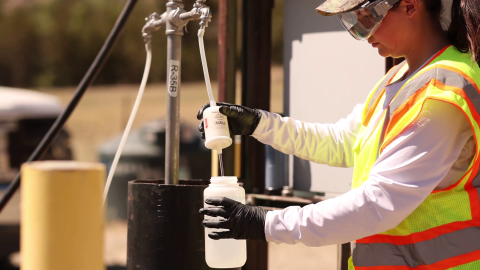
Hexavalent chromium, a hazardous compound often found in industrial waste and contamination sites, poses significant environmental and health risks. Effective cleanup initiatives are crucial to mitigate these dangers and restore affected areas safely and sustainably. This article delves into the essential strategies and considerations for ensuring success in hexavalent chromium cleanup projects, drawing on industry expertise and proven methodologies.
Understanding Hexavalent Chromium Contaminations
Hexavalent chromium is a toxic form of the element chromium, primarily used in industrial processes such as stainless steel production, textile dyes, and wood preservation. The risks associated with this compound include:
- Severe health impacts, including respiratory issues and increased cancer risk.
- Environmental damage, affecting soil and groundwater quality.
- Regulatory challenges, necessitating compliance with stringent cleanup standards.
Discover expert strategies
here.
Key Strategies for Effective Cleanup
Comprehensive Site Assessment
A thorough site assessment is the foundation of any successful cleanup project. This involves:
- Detailed mapping of contamination spread and concentration levels.
- Identification of sources and pathways of chromium migration.
- Evaluation of soil and water properties that may affect remediation efforts.
Learn about our tailored solutions
here.
Innovative Remediation Techniques
Implementing advanced remediation technologies is crucial for efficient hexavalent chromium removal. Options include:
- In-situ chemical reduction using reducing agents to convert hexavalent chromium to its less toxic trivalent form.
- Phytoremediation, utilizing plants to absorb and stabilize contaminants.
- Soil washing, which extracts chromium through chemical and physical processes.
Explore advanced guides and tips
here.
Regulatory Compliance and Stakeholder Engagement
Ensuring compliance with environmental regulations and engaging stakeholders is vital to project success. Key actions include:
- Regular communication with regulatory bodies to align with cleanup standards.
- Transparency with local communities and stakeholders to build trust and cooperation.
- Documentation and reporting to demonstrate progress and compliance.
Find out more about this approach
here.
Monitoring and Maintenance
Effective cleanup extends beyond remediation efforts to include ongoing monitoring and maintenance. Considerations include:
- Regular sampling and analysis to assess the effectiveness of remediation activities.
- Long-term maintenance plans to prevent recontamination.
- Adaptive management strategies to address unforeseen challenges swiftly.
Discover expert strategies
here.
Conclusion
Successful hexavalent chromium cleanup projects hinge on meticulous planning, innovative technologies, and robust stakeholder engagement. By adhering to these principles and leveraging expert insights, environmental professionals can significantly mitigate the risks associated with this hazardous compound, ensuring safer and healthier environments for all. For more comprehensive information and guidance,
explore advanced guides and tips.